

Should electric vehicles be charged when the battery is half full or when it's completely depleted?
Common Electric Vehicle Charging Myths: Don't Wait Until the Battery Is Dead to Charge! Here's How to Charge for Longevity
Many electric vehicle users face this dilemma: Should you charge when the battery is half empty, or wait until it's completely drained? Some even believe that “draining the battery completely before charging prevents the battery from ‘memorizing’ the charge level.” In reality, this is a classic charging misconception. For today's mainstream lithium-ion battery electric vehicles, waiting until the battery is completely dead to charge can actually damage the battery.
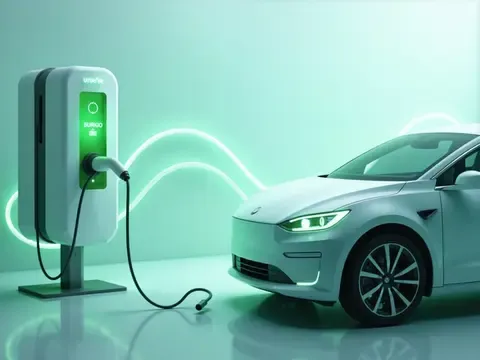
First, it's crucial to understand the core principle: Electric vehicles (with lithium batteries) should not be fully discharged before recharging. It's recommended to start charging when the battery level is between 20% and 30%. While older lead-acid batteries may have required “deep charge and deep discharge” cycles to calibrate capacity, modern electric vehicles almost exclusively use lithium-ion batteries. These batteries are sensitive to over-discharge—when the charge level falls below 20%, the internal voltage drops significantly, potentially causing irreversible damage to the electrode materials. If the battery is completely drained (0% charge), it may enter a “dormant state,” not only prolonging charging time but also directly shortening its overall lifespan.
Conversely, there's no need to charge to 100% every time. For daily commuting, charging to 80%-90% is sufficient. Storing or using the battery at full charge for extended periods increases internal pressure, similarly affecting lifespan. Only before long trips should you charge to full capacity in one go.

- During daily use, if the dashboard shows the battery level below 30%, promptly charge at a compliant charging station to avoid running out of power mid-journe
- When charging, choose a cool, well-ventilated environment whenever possibl
- If your electric vehicle will be unused for an extended period (e.g., over a week), do not store it with a completely depleted batter
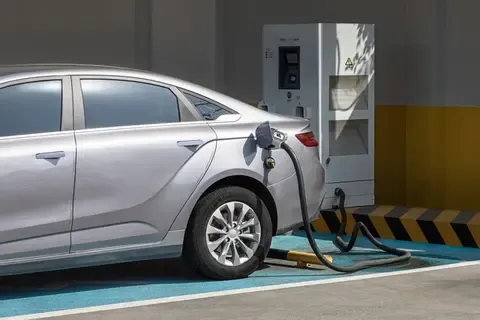
In short, the key to electric vehicle charging is “shallow charging and shallow discharging, avoiding deep discharge.” Don't be misled by the outdated notion that “running the battery down completely before recharging makes it last longer.” Only scientific charging can extend battery life and maximize driving range.