

India and Russia Part Ways: Strategic Calculations Behind India's Halt on Russian Oil Imports
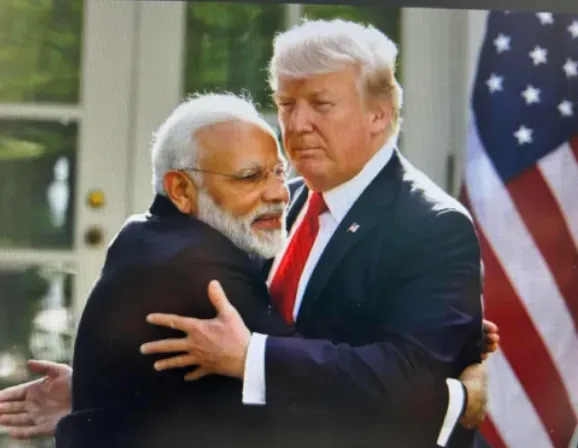
India and Russia part ways! India suddenly announced that it would suspend large-scale imports of Russian crude oil. Some say that this is India's “capitulation” under pressure from the US and the West, but in my opinion, behind this lies the Indians' shrewd “business acumen.”
First, we need to understand why India suddenly stopped importing Russian oil. The key lies in the Trump administration's tough measures, which not only threatened to impose a 100% tariff on buyers of Russian oil but also froze the assets of six Indian companies involved in Iranian oil trade. This move was ruthless, aiming to force India to choose sides through economic sanctions. But Indians aren't fooled; they won't easily become “puppets on a string.”
India has a clear understanding of the situation. Russian oil is cheaper, and India can profit from arbitrage through re-export trade. Such a lucrative opportunity is not something they would easily give up. However, U.S. sanctions loom like the Sword of Damocles, forcing India to balance between “making money” and “surviving.”
India's calculations are clear. On one hand, suspending large-scale imports of Russian oil is a gesture to the US, appearing to comply to avoid further sanctions. On the other hand, India has no intention of completely cutting off this revenue stream. Notice that the Indian government has not formally ordered oil companies to reduce imports; refineries continue to purchase as before, albeit through alternative methods.
There are many nuances at play here. India settles Russian oil transactions in UAE dirhams and rubles, with some deals bypassing the US dollar to evade sanctions.
Additionally, India is engaging in “oil laundering,” processing Russian oil into finished products before reselling them to Europe. This allows India to profit from price differentials while claiming the oil is from non-Russian sources to evade scrutiny. In 2024, India netted 4.8 billion US dollars through this scheme.
Looking at India's long-term strategy, it has signed a ten-year contract with Russia for 500,000 barrels of crude oil per day, amounting to a 13 billion dollar deal annually. Even if the US exerts pressure, India cannot simply cut off the supply. Furthermore, India is accelerating its ties with Middle Eastern energy giants, signing a ten-year LNG agreement with the UAE and collaborating with Saudi Arabia on an undersea power transmission project, aiming to position itself as an “energy export hub.”
India is playing this “retreat to advance” strategy skillfully. On the surface, it has suspended imports of Russian oil, but in reality, it is using this as leverage to negotiate with the US. If the US wants to sanction India, then India will use the suspension of imports as a bargaining chip to force the US to make concessions in other areas, such as technology cooperation and preferential terms for weapons procurement.
However, India has not been without its challenges. U.S. sanctions have prevented some oil tankers from docking at Indian ports, such as the “Century” tanker, which was forced to drift at sea for over ten days. But Indians have their ways—they can reroute shipments through third-party countries or adjust transport routes to ensure the oil arrives.
Ultimately, India is walking a tightrope between the U.S. and Russia, aiming to maintain its energy cooperation with Russia while avoiding outright alienating the U.S. India is well aware that its own interests come first, and it will align itself with whichever side offers the better deal.
Behind this strategic maneuvering lies India's precise calculation of its own interests. India will not act as anyone's “puppet,” but will adjust its strategies in response to changing circumstances. While U.S. sanctions may seem formidable, they pale in comparison to India's business acumen, amounting to little more than empty threats.
In the future, India is likely to continue oscillating between the United States and Russia, playing this game of “suspending imports while quietly restocking.” As for the United States, even if it is displeased, it cannot do much about India, as the Indian market is too large to risk alienating. In this energy game, it is ultimately the Indians who will emerge with the sweetest smile.