

$1.35T 'Protection Money'! Historic Trade Deal Sealed—EU Pays Dearly for Peace, Europe Erupts, Trump Wins Big.
**Trump and von der Leyen Shake Hands in White House Rose Garden to Announce U.S.-EU Tariff Deal: EU "Voluntarily" Foots the $1.35 Trillion Bill.**
In the footage, the two smile as if they’ve just won a war, but the live chat in the European Parliament’s stream is flooded with curses.
Breaking down the $1.35 trillion—equivalent to Germany’s fiscal spending for three years, France’s defense budget for four, or Italy’s pension payments for five—it’s all handed to the U.S. in one lump sum. $750 billion goes to oil and gas purchases, while $600 billion flows into American tech, infrastructure, and arms factories. Behind closed doors, the European Parliament calls it a "protection fee invoice." Per capita, every European forks over €2,700—enough to buy the latest iPhone Pro—only to get Trump’s assurance: "No more tax hikes."
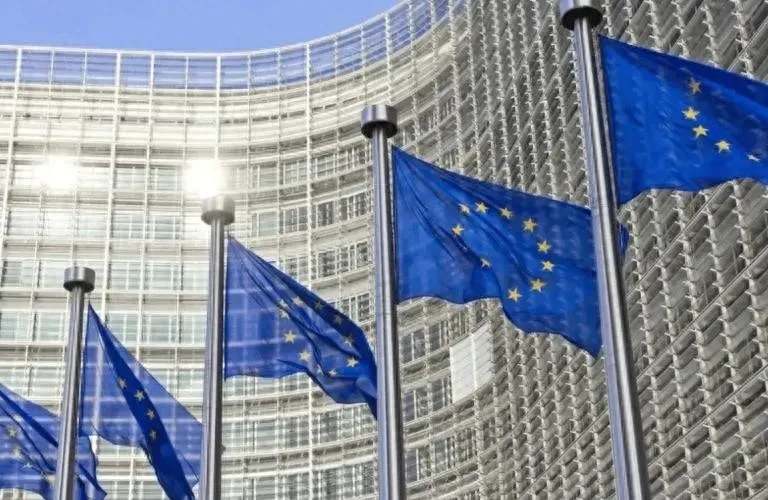
**The EU (File Photo)**
Three months ago, Trump tweeted a 30% tariff threat like a countdown timer. German automakers lost €17 billion in market value in a single day, and von der Leyen rushed to Washington overnight—even as Europe was still reeling from the energy gap left by the Nord Stream sabotage. Now, the rate is "halved" to 15%, but in reality, it ropes in all of the EU’s export pillars: cars, semiconductors, pharmaceuticals—nothing escapes. The German Institute for Economic Research had already calculated that a 50% tariff would cost Germany €250 billion over three years. The numbers are terrifying, yet the EU didn’t even dare to threaten reciprocal retaliation.
Brussels had initially prepared a €100 billion hit list of U.S. goods—Boeing, Apple, Tesla—targeting Republican strongholds. But then Japan suddenly "stabbed them in the back," signing a separate deal on July 22, paying $550 billion for a 15% tariff rate and even handing over its rice market. The EU was thrown into chaos. Germany and Italy secretly begged the U.S. Commerce Department for a "special channel," France slammed the table shouting "strategic autonomy," while Eastern Europe only cared about the Russian threat. With 27 countries pulling in different directions, the negotiation table collapsed.
The euro jumped 0.3% after the news broke. Traders called it "bad news priced in," but everyone knows what rose was the exchange rate—what fell was sovereignty. Von der Leyen forced out a "tough but worth it" at Turnberry Golf Club, only to be cornered in the hallway by European Parliament members demanding: "$750 billion for U.S. LNG—will it even be cheaper than Russia’s?" No one dared to answer.
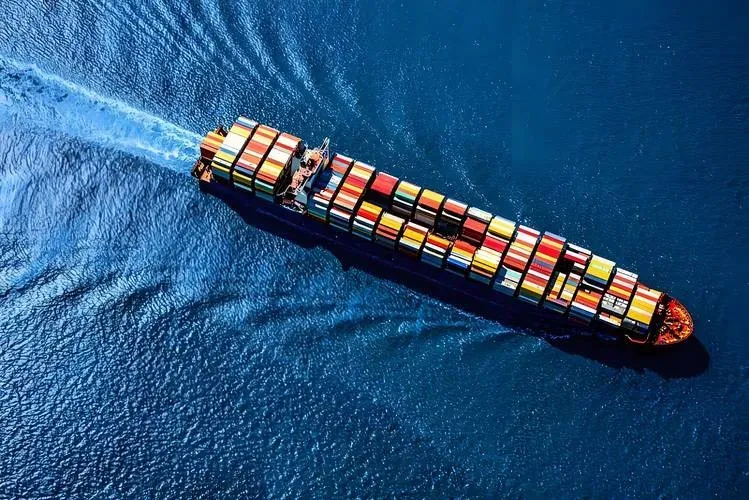
**Trade (File Photo)**
Trump split the deal into three boasts: energy orders locking in Europe’s supply for the next decade, $600 billion in investments reviving chip fabs and missile factories in Ohio and Texas, and the 15% tariff leaving a "wrench" ready to tighten anytime. The White House’s calculations were crystal clear, while the EU’s only talking point was "avoiding a trade war." But even if a trade war was dodged, the industrial war was already lost.
The real awkwardness lies in interpretation rights. Trump says pharmaceuticals are tariff-free, but the U.S. Commerce Secretary immediately announces "chip details in two weeks." Meanwhile, the EU’s text reads "15% for medicine." Same document, different readings—leaving room for a second shakedown. Liquor tariffs were left blank, prompting a Scottish whiskey tycoon to joke: "Next time we fly to a golf course, the price will go up again."
China wasn’t at the signing table but was name-dropped everywhere. U.S. negotiators privately hinted: after aligning U.S.-EU tech standards, the next target is "non-market economies." The EU’s anti-dumping probes into Chinese EVs, solar panels, and advanced manufacturing accelerated in sync—as if compensating for concessions to the U.S. with toughness toward China. German automakers are building factories in America while relying on China for 40% of global sales. The tightrope act is getting harder.
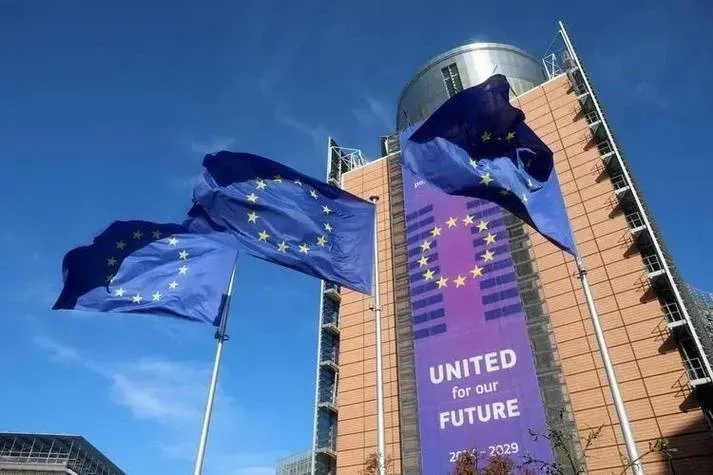
**The EU (File Photo)**
Before the ink dried, the 50% steel and aluminum tariffs still loomed. Trump grinned at the press conference: "Steel and aluminum? That’s the next game." One sentence sucked the air back out of Europe. Von der Leyen could only add, "Quotas might solve it later"—but who decides the quotas? The answer is written on the Oval Office wall.
Global media calls it the "largest trade deal in history." Wall Street’s nickname is blunter: "$1.35 trillion ransom." Europe buys time with its wallet, America buys votes with time. Votes go to Trump, the bill goes to the EU. Next time the U.S. raises the tariff hammer, what will Europe have left in its pockets? No one dares to think.
The camera cuts back to Brussels. Parliament President Roberta Metsola sighs at the empty chamber: "We just bet the next decade’s chips on a Texas roulette." Outside, protesters hold signs reading "Don’t Sell Europe," while police shields glint coldly in the sunset.