
Breaking news! 8.7-magnitude earthquake in Russia—how many secrets lie behind it?
Early this morning, news of an earthquake flooded global headlines: a powerful 8.7-magnitude quake struck near Russia's Kamchatka Peninsula. This was no ordinary earthquake—not only was its magnitude exceptionally high, but its shallow depth of just 18 kilometers amplified its destructive potential.
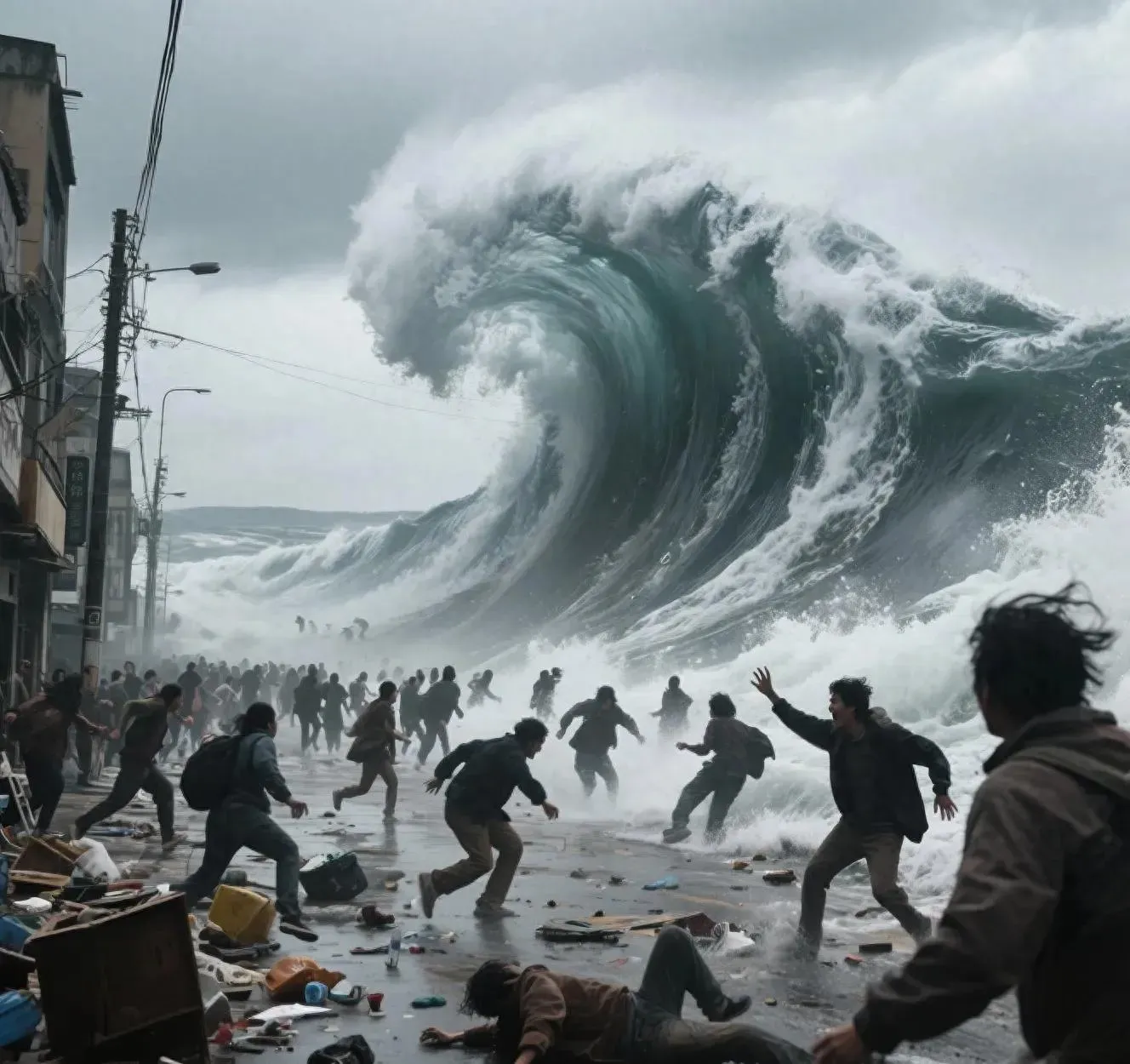
The impact of this earthquake was vast, and the situation in Russia is dire. Tsunami waves of 3 to 4 meters were detected along parts of the Kamchatka coast, prompting urgent evacuation orders for all coastal residents. Videos captured by locals show violent indoor shaking, goods toppling from shelves, and even the collapse of a kindergarten wall. The tsunami warnings triggered by the quake have put neighboring countries on high alert. The U.S., Japan, Canada, the Philippines, and others have issued tsunami advisories, urging coastal residents to stay vigilant and prepare for evacuation. Even Donald Trump weighed in online, calling for caution in Alaska, Hawaii, and other at-risk areas.
More worryingly, the epicenter was just a hundred kilometers from Russia’s critical military base—the Rybachy nuclear submarine base. This base houses Russia’s "Ace in the hole"—the Borei-class nuclear submarines, each capable of carrying over a dozen nuclear missiles. The memory of Japan’s Fukushima nuclear disaster, triggered by an earthquake and tsunami, raises concerns about the threat now facing Russia’s submarine base. If the submarines or nuclear facilities are damaged, leading to a radiation leak, it could spell a global catastrophe. While Russian authorities have yet to release details about the base, speculation is already rampant internationally.
Geologically, the Kamchatka Peninsula lies along the Pacific Ring of Fire, a hotspot for seismic and volcanic activity. Before this 8.7-magnitude quake, a 7.2-magnitude tremor had already struck the same region on July 20, signaling heightened tectonic movement.
This earthquake could also shift the dynamics of the Russia-Ukraine war. Already strained by the conflict, Russia now faces massive economic and logistical demands for disaster relief. Supplies originally bound for the front lines may be redirected to aid quake victims, and troops could be reassigned to assist in recovery efforts. This may influence the course of the war—potentially even becoming a "black swan" event that alters its trajectory. Psychologically, the quake could sway Russian public sentiment toward the war, forcing the government to factor in civilian morale when planning military strategy. Meanwhile, Ukraine may seize the opportunity to escalate its battlefield actions.
The international community is closely monitoring the situation. UN agencies have called on Russia to disclose information, but Moscow has remained silent. While the U.S., Japan, and others publicly focus on tsunami warnings, they may also be discreetly assessing the status of Russia’s military base. China has stated that the tsunami poses no threat to its coasts but is closely tracking developments, with its embassies in Japan and elsewhere issuing safety alerts for citizens abroad.
Currently, Russia is mobilizing all resources for rescue and evacuation efforts. However, aftershocks and undersea tremors remain a serious risk. This disaster serves as a stark reminder of humanity’s vulnerability to nature—even a military superpower’s advanced weapons and facilities are no match for such forces. With extreme weather and geological events on the rise globally, nations must prioritize the safety and placement of military and nuclear installations.
The Russia earthquake underscores the intricate link between natural disasters, geopolitics, and military strategy. How will Russia respond? What is the true condition of the nuclear submarine base? And how will the Russia-Ukraine conflict evolve? Only time will tell—but these are questions worth watching closely.