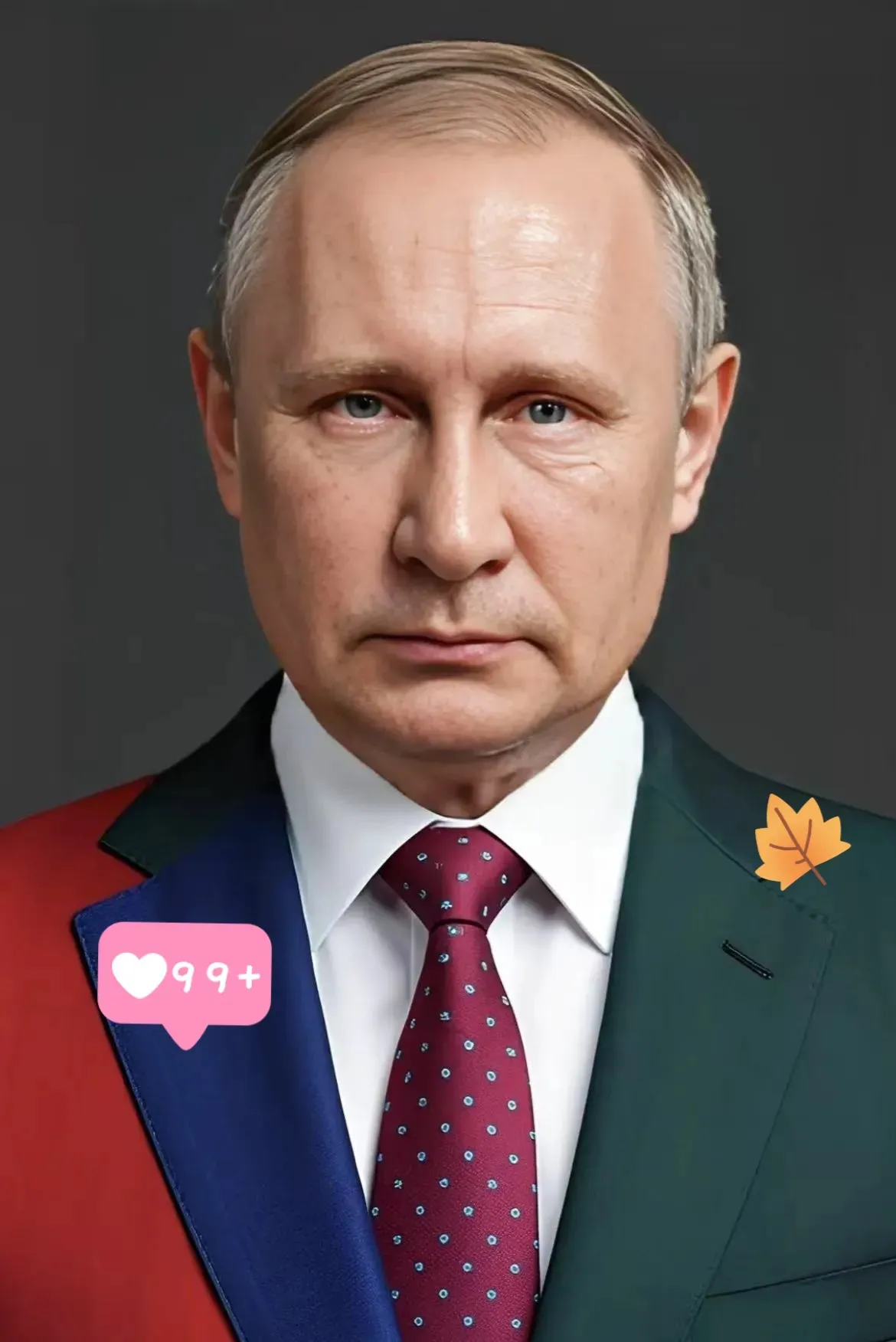

Putin: Restoring comprehensive relations with the United States is in Russia's national interest.
On 2 October, Russian President Vladimir Putin delivered a key message at the Valdai Discussion Club annual meeting: ‘Restoring comprehensive relations with the United States is in Russia's national interest.’ He also described the current US administration as ‘acting directly, without hypocritical manoeuvres,’ asserting that pragmatic approaches to safeguarding mutual interests constitute the core logic of major-power interaction. This statement swiftly drew international attention. Given the prolonged low point in Russo-American relations, the strategic considerations and practical conditions behind this overture have become focal points for interpretation.
Putin's remarks were not unexpected. Prior to this, Russia and the United States had maintained limited communication in areas such as nuclear arms control dialogue and Arctic affairs, avoiding escalation of conflicts and setting the tone for ‘limited pragmatic engagement.’ From the perspective of mutual needs, the impetus for easing tensions stems from complementary interests: Russia, hampered by prolonged sanctions, has shifted energy exports towards Asia, yet the contraction of the European market continues to impact its foreign exchange reserves. Restrictions on technology constrain its industries, necessitating a thaw to seek sanctions relief. The United States, meanwhile, can thereby reduce the strategic ‘containment costs’ globally, creating space for mediation in the Russia-Ukraine conflict and cutting military aid expenditures.
However, Putin explicitly retained the bottom line of ‘acting in accordance with Russia's own interests,’ also mentioning that some European countries had ‘lost strategic autonomy,’ implying that Russia-US interactions must exclude third-party interference. NATO's eastward expansion remains a core point of contention. Currently, multiple obstacles persist for a ‘full restoration’ of Russia-US relations: no substantive ceasefire in Ukraine, ongoing security standoffs between NATO and Russia, and deep-seated geopolitical and ideological contradictions unlikely to resolve swiftly. This ‘gesture of goodwill’ appears more as a ‘pragmatic test,’ with subsequent progress contingent upon concrete actions on issues like resuming direct flights, easing non-sensitive trade restrictions, and restarting arms control negotiations.
Shifts in Russo-American relations will have far-reaching implications: Europe must balance its ties with both the US and Russia, while emerging markets should also monitor their impact on global energy and economic order.