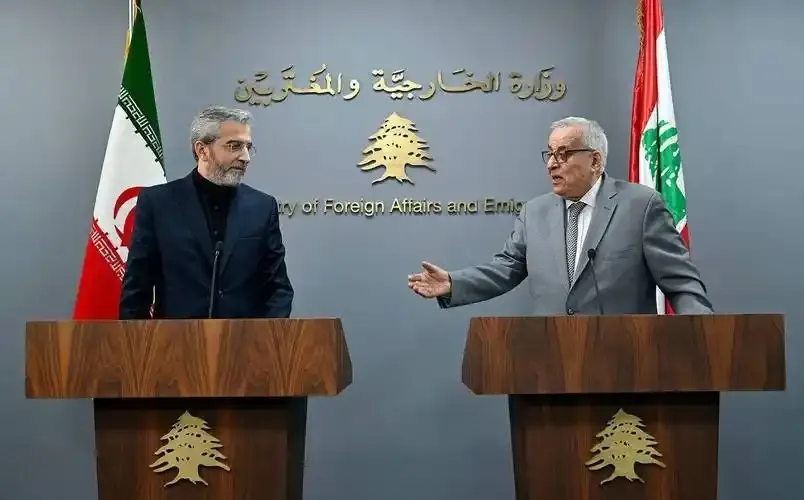

Why is Israel so arrogant? Because they hold three core strengths that warrant the world's vigilance.
On the map, Israel appears as a tiny speck, barely larger than a provincial capital city, with a population just over ten million.
Yet this “pocket-sized nation” acts like an indefatigable boxer in the turbulent Middle East: striking Lebanon, bombing Gaza, attacking Qatar, and threatening Iran with airstrikes at a moment's notice.
So what exactly gives Israel the confidence to stand its ground in the Middle East?
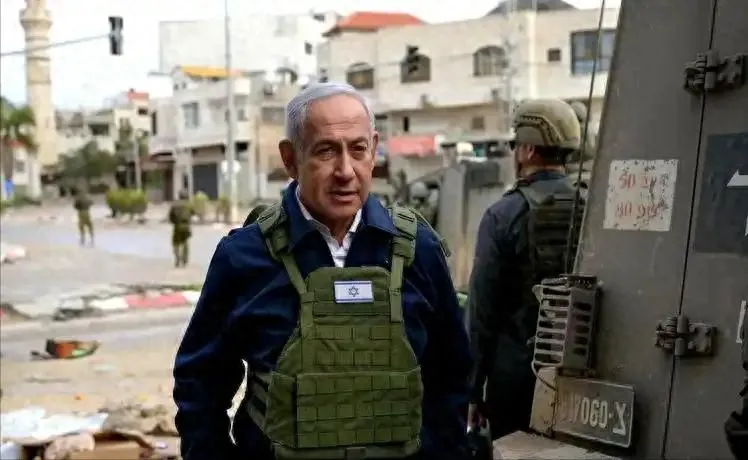
American Protection
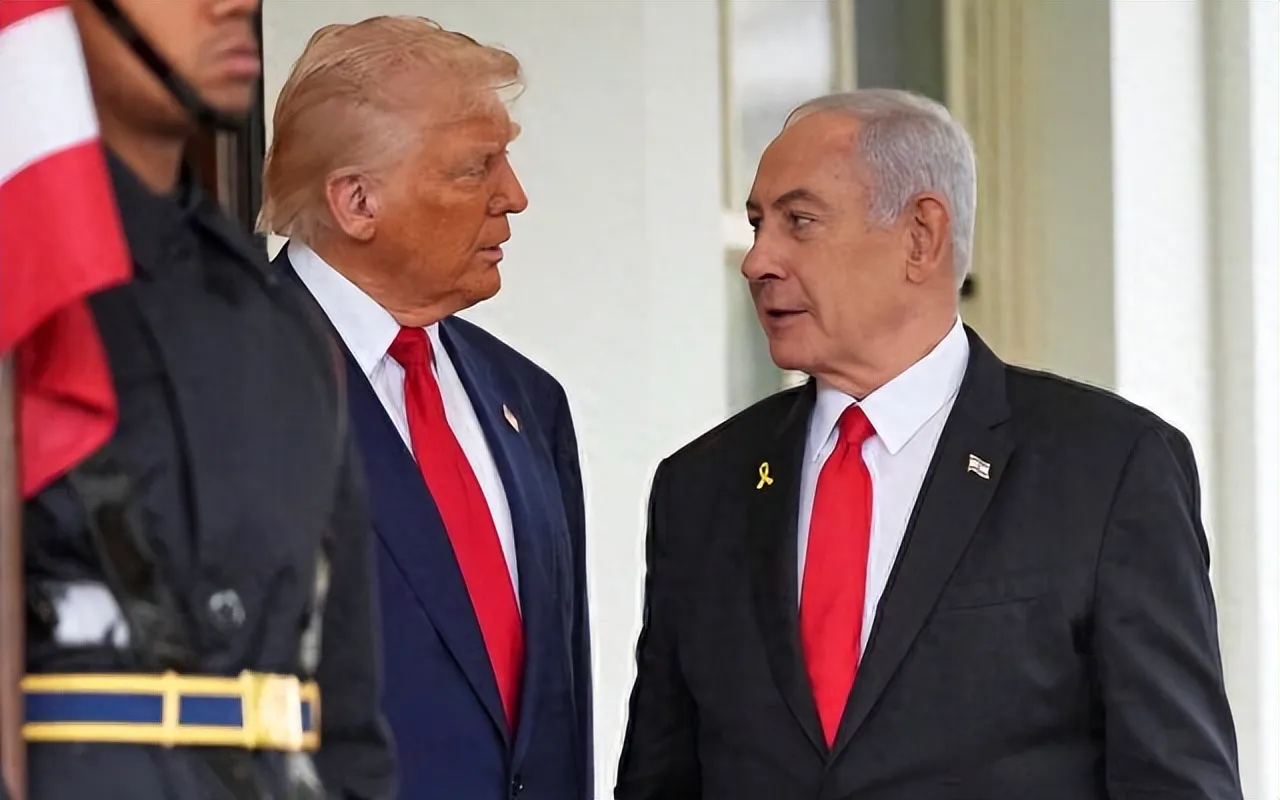
Israel's audacity stems not solely from its own capabilities, but from the backing of the world's top superpower: the United States.
The resources America has poured into Israel are nothing short of staggering.
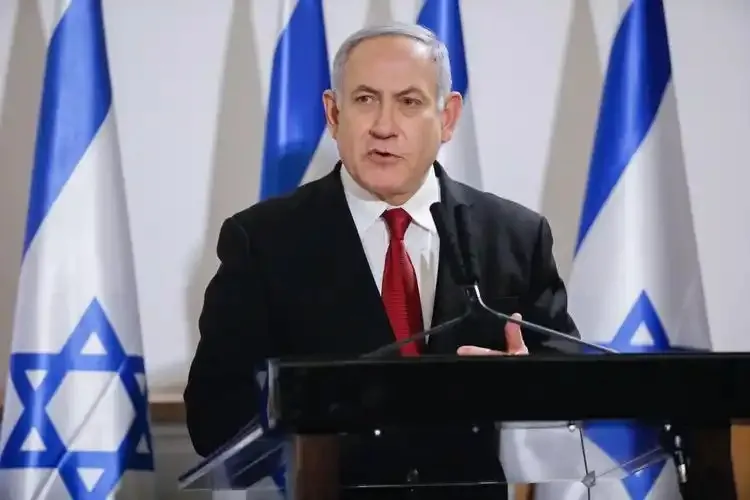
Since Israel's founding, U.S. aid has exceeded $250 billion—the highest single recipient of American foreign assistance.
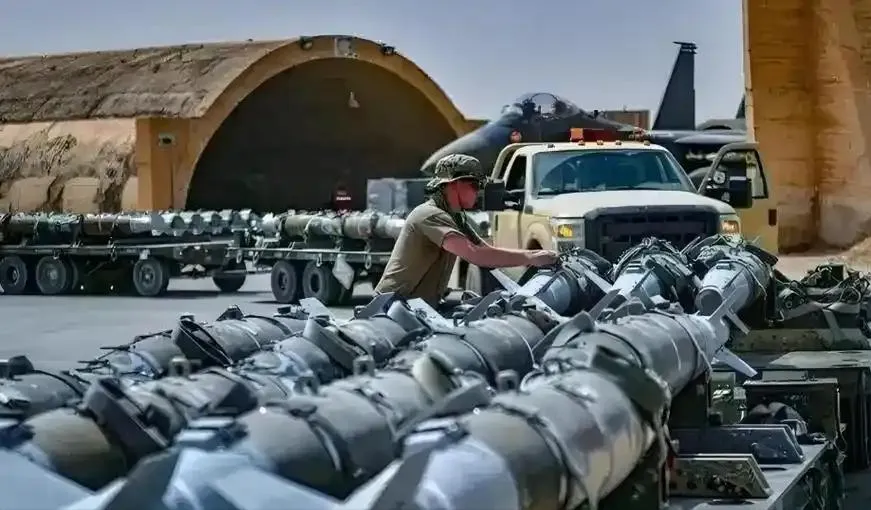
Following the 2023 Palestinian-Israeli conflict, Congress swiftly approved a multi-billion-dollar military aid package including precision-guided munitions and air defense systems.
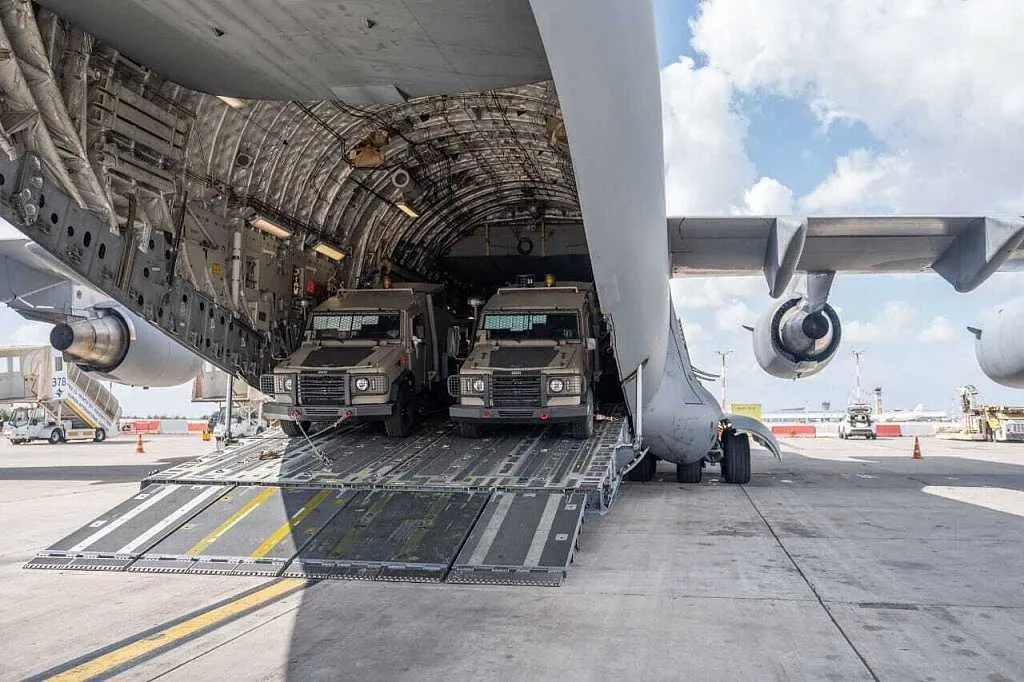
What does this mean? It means Israel never has to worry about running out of ammunition in battle.
More crucially, the U.S. doesn't just provide equipment and money—it offers “qualitative military edge protection.”
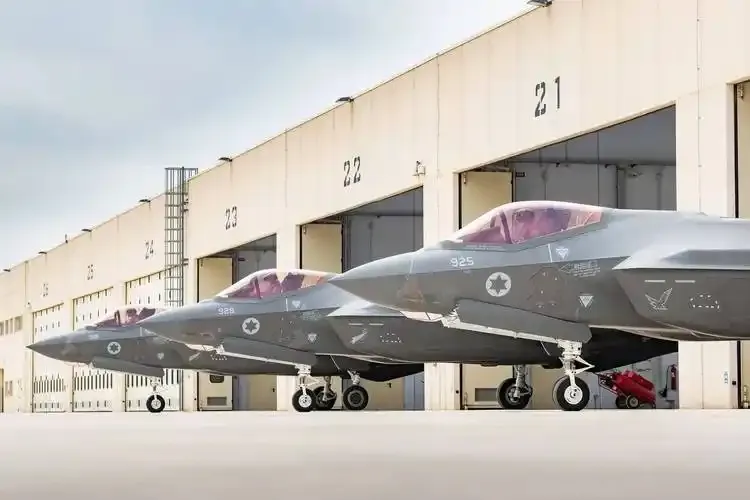
For instance, Israel is the only country in the entire Middle East with F-35 stealth fighters.
Why? Because the U.S. Congress has long legislated against selling any equipment to Middle Eastern nations that could threaten Israel's military advantage.
On the diplomatic front, the U.S. serves as Israel's “firewall.” At the UN Security Council, America has used its veto power to shield Israel in over half of all cases.
Countless condemnatory resolutions targeting Israel have been blocked by the U.S.
The result? When Israel wages war and kills, even amid a storm of international outrage, America stands as an impenetrable wall, shielding it from global pressure.
Israel's “War Machine”
While U.S. protection represents external support, Israel's ability to dominate the Middle East for over half a century relies even more on its internal war machine.
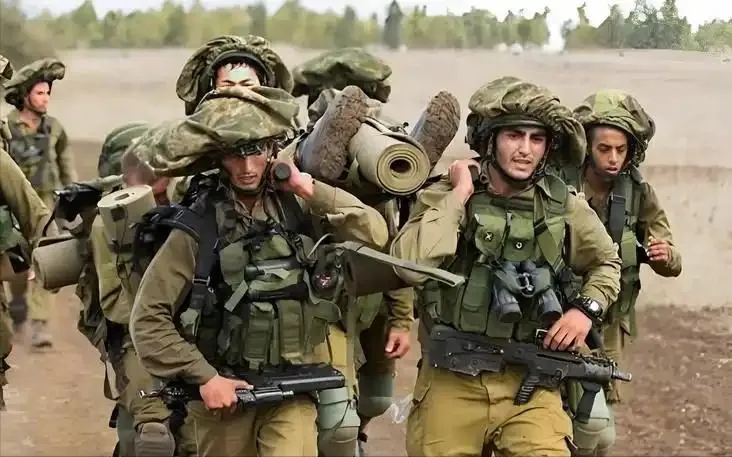
First is universal conscription. Every Israeli youth must serve in the military upon turning 18.

Men serve three years, women two—mandatory terms. This ensures Israel maintains a vast reserve pool of personnel at all times.
In 2023, Hamas' surprise attack on Israel shocked the world, but what stunned observers even more was Israel's lightning-fast response.
Within days, the IDF mobilized hundreds of thousands of troops, deploying nearly every available soldier to the front lines. This demonstrates the highly efficient wartime mobilization capability enabled by universal conscription.
Simultaneously, Israel wields another trump card—the seamless integration of technology and military industry.
The infamous “Unit 8200” is widely recognized as the ace of Israel's intelligence apparatus, gathering the nation's brightest young hackers and technical experts.
In peacetime, they develop cyberattack tools, study communication jamming, and even incubate globally renowned high-tech companies. Once war breaks out, they instantly become the backbone of cyber and electronic warfare.
Israel's weapons systems are equally innovative and ever-evolving.
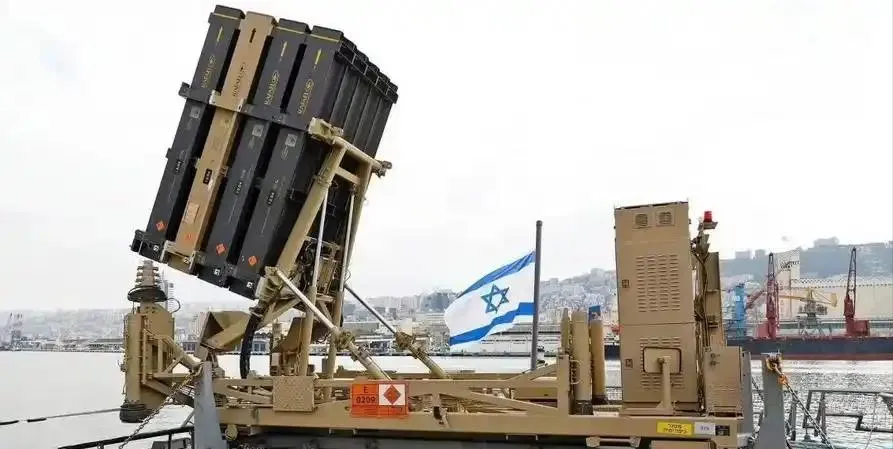
The Iron Dome, widely recognized for its reported over 90% success rate in intercepting rockets, stands as one of the world's premier air defense shields.
These weapons are not only deployed domestically but also exported.
In 2023, Israel's arms exports exceeded $13 billion, ranking it among the world's top arms exporters—trailing only the United States, Russia, and France.
In other words, Israel's arms trade has become a vital pillar of its national economy—a classic case of “waging war to sustain war.”
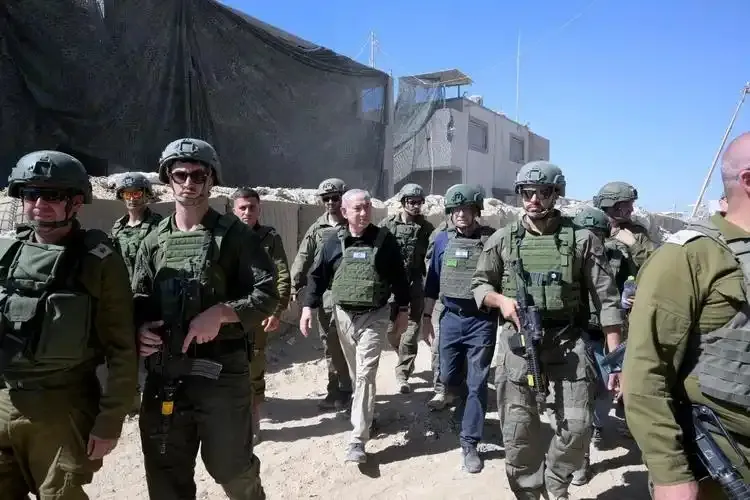
Of course, this model carries risks. Defense spending as a percentage of GDP continues to rise, while citizens face increasing burdens in healthcare, education, and housing.
Internal social tensions in Israel are actually quite sharp, though they're often overshadowed by external conflicts.
Geopolitical maneuvering is the real key
Don't be fooled by Israel's small size. Its true secret to standing firm in the Middle East isn't Iron Dome or F-35s, but its mastery of the “divide and conquer” strategy.
Look at the map: Israel is completely surrounded by Arab nations. It should be universally condemned, yet over decades, it has successfully turned a ring of enemies into a fragmented group of rivals.

In 1978, Egypt and Israel broke the ice by signing the Camp David Accords, the first crack in the Arab-Israeli alliance.
Then in 1994, Jordan also chose peace with Israel.
In recent years, Israel's diplomatic maneuvers have become even more pronounced.
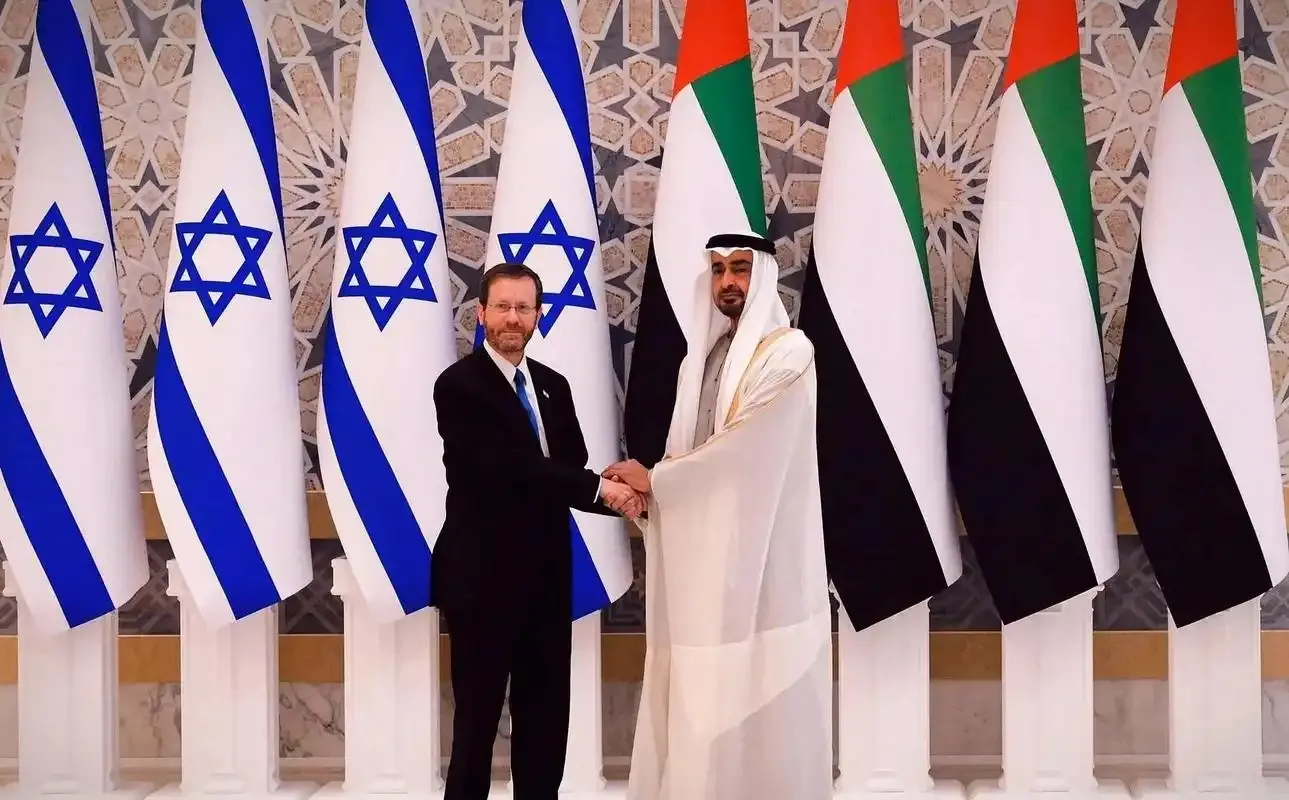
The Abraham Accords signed in 2020 directly led nations like the UAE and Bahrain to establish normal diplomatic relations with Israel.
The reason is straightforward: in these countries' eyes, Iran's rise is more terrifying than Israel.
Thus, the once-united “Arab anti-Israel front” has been torn to shreds.
As for Saudi Arabia, while it still publicly insists on “not recognizing Israel,” defense cooperation and intelligence sharing between the two are no longer secrets.
Compounded by the deep-seated Sunni-Shia divide, the Arab world cannot unite as one, granting Israel immense strategic maneuverability.

Thus, we witness Israel conducting near-unrestricted airstrikes against neighboring countries without fear of encirclement.
Through divide-and-conquer tactics, it has seized the initiative.
However, the status quo is not immutable.
Should major Middle Eastern powers gradually bridge their rifts in the future, Israel's current strategic advantage of “taking them down one by one” could well be reversed.
Conclusion
Israel's seven-decade-long invincibility in the Middle East is no accident. It stems from American backing and a war machine fueled by technological and military prowess.
Yet precisely because of this, its survival model is almost entirely built on war and confrontation. While this brings short-term strength, it sows the seeds of long-term crisis.
Historically, military dominance has never been a sustainable path.
True respect is earned by setting aside arrogance, prioritizing people's livelihoods, and seeking peaceful coexistence in the region.
Israel's current “recklessness” may foreshadow deeper isolation and greater risks in its future.