
Why Is China’s Cancer Death Rate Far Higher Than India’s Despite Similar Populations?
China and India both have populations of around 1.4 billion, yet the contrast in cancer mortality is striking: in 2020, India recorded only 850,000 cancer deaths, while China had as many as 3 million—making China the country with the highest number of cancer cases and deaths in the world.
This data is truly shocking.
India is often thought of as “dirty,” so why does it have so many fewer cancer deaths than China? Let’s break this down.
First, China faces severe population aging. Nearly one-fifth of its citizens are over 60 years old, compared with less than one-tenth in India.
Cancer is very much an “age-related disease”—the older you get, the higher the risk. After age 50, the risk of cancer doubles every decade.
India’s average life expectancy is eight years lower than China’s—exactly the age span when cancer incidence spikes. Put simply, many Indians die of other causes before they reach the cancer-prone years.
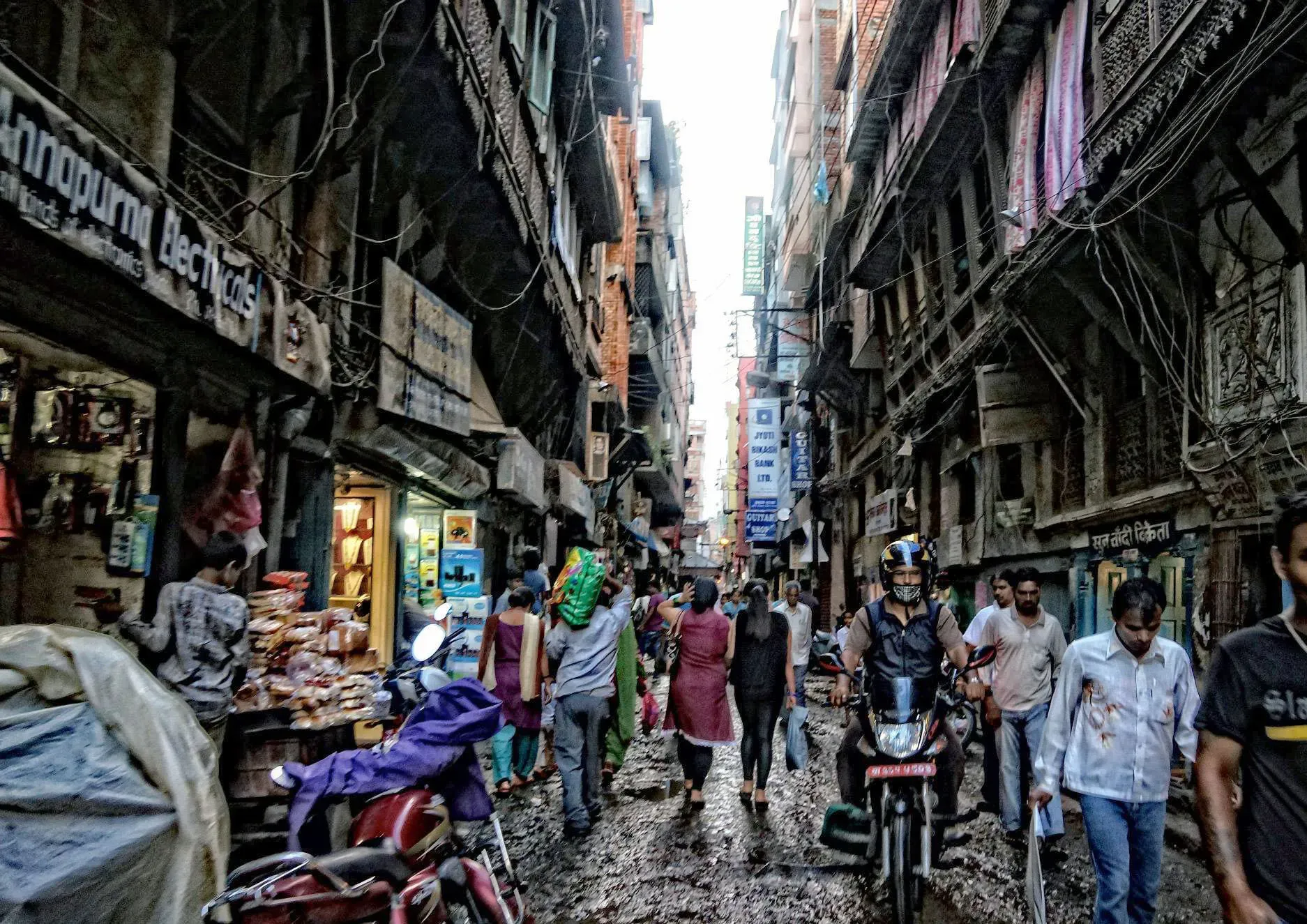
Second, India’s pollution is primarily “biological”—human waste, garbage, and poor sanitation. China’s pollution, however, is largely “chemical”—industrial emissions and vehicle exhaust.
It’s a bit like comparing food poisoning with smoking: both are harmful, but smoking is far more likely to cause cancer.
In particular, PM2.5 is a major culprit. Although China’s air quality has improved in recent years, its fine particulate levels remain higher than India’s.
These invisible particles accumulate in the lungs over time, greatly increasing the risk of lung cancer.
Every year, 710,000 Chinese people die of lung cancer, compared with fewer than 100,000 in India. This is the main source of the gap.
Third, India’s healthcare infrastructure is very weak. Many rural areas lack proper hospitals, and the number of CT scanners is only a fraction of China’s.
For many Indian villagers who develop cancer, they may never even know the cause of their illness. Some experts estimate that India’s true cancer death toll might actually be undercounted by half.
By contrast, China has made cancer screening widely available—even county hospitals can conduct such tests. The more thorough the screening, the more cancers are detected.
It’s like grading exams: one teacher carefully marks every detail, while another just skims. The results will never look the same.
Moreover, while India appears to have fewer cancers overall, certain types are especially prevalent there, such as cervical cancer and oral cancer—mainly linked to HPV infections and the widespread habit of chewing tobacco.
As India’s economy develops, “diseases of affluence” such as lung cancer and colorectal cancer are also beginning to rise. Experts predict that by 2040, cancer deaths in India will double.
This comparison is similar to asking: “Why do the elderly have fewer car accidents than young people?” The answer is simple—because they drive less. As Indians live longer and industrialization deepens, their cancer rates will inevitably climb.
Meanwhile, China has been cracking down on air pollution and promoting early cancer screening, and these efforts are already showing results.
So, we shouldn’t just take the raw numbers at face value. India’s apparent “advantage” actually highlights its poor healthcare system and shorter average lifespan.
If given the choice, I would rather have China’s “higher numbers”—because they mean we are living longer, detecting cancer more accurately, and treating it more effectively.