

Japan's Population Decline Hits Record High
According to statistical data released by Japan's Ministry of Internal Affairs and Communications on August 6, as of January 1, 2025, Japan's population, excluding foreign residents, has been declining for 16 consecutive years. The total population stood at approximately 120.65 million, a decrease of about 908,000 compared to the previous year, marking the largest decline since records began in 1968.
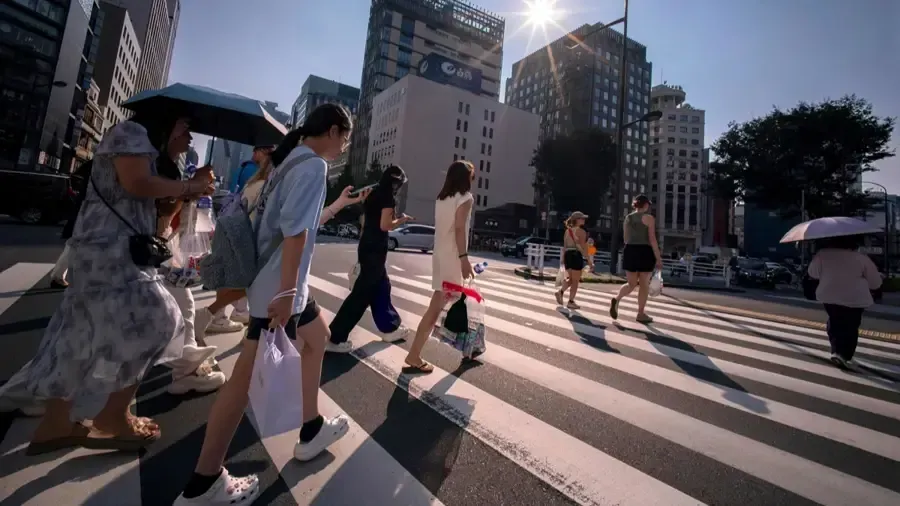
The data shows that between January 1, 2024, and January 1, 2025, Japan recorded its lowest-ever number of births and its highest number of deaths. Among administrative divisions, only Tokyo saw a population increase, with a growth rate of just 0.13%. By age group, people aged 65 and older accounted for 29.58% of the population, while those aged 15 to 64 made up 59.04%, both showing slight increases compared to the previous year.
An analysis by Kyodo News suggests that Japan's current population situation reflects a severe trend of declining birth rates. It is projected that by 2026, Japan's population could fall below 120 million.
Data from the Ministry of Internal Affairs and Communications also indicates that as of January 1, 2025, there were approximately 3.677 million foreign residents in Japan, the highest number since such records began in 2013, representing an increase of about 354,000 compared to the previous year.
**Japan's Population Experiences Largest Decline on Record**
Japan's Ministry of Internal Affairs and Communications announced on August 6 that as of January 1, 2025, the total population of Japanese nationals was approximately 120.65 million, a decrease of about 900,000 compared to the previous year. This marks the 16th consecutive year of population decline and the largest drop since records began in 1968.
In 2024, the number of newborns in Japan was approximately 687,700, falling below 700,000 for the first time, while the number of deaths reached nearly 1.6 million, a record high. According to Japanese media, the primary reasons for the population decline are the accelerating trends of declining birth rates and an aging population.
The data released on August 6 also revealed that among Japan's 47 prefectures, only Tokyo experienced a population increase, while all other regions saw population declines. Tokyo's Japanese population was approximately 13.28 million, marking two consecutive years of growth and intensifying the "centralization" trend. Akita Prefecture experienced the largest population decline, with a drop of 1.91%, followed by Aomori and Kochi Prefectures.
By age group, Japan's elderly population aged 65 and older stood at approximately 35.693 million, accounting for about 29.6% of the total population. Meanwhile, the working-age population aged 15 to 64 was approximately 71.235 million, accounting for about 59%, continuing its downward trend.